
Bedtime After Carosello
The advertising show that taught Italy to wait for commercials
For twenty years, in many Italian homes, advertising was not the moment when people got up from the sofa.
It was the moment after which children went to bed.
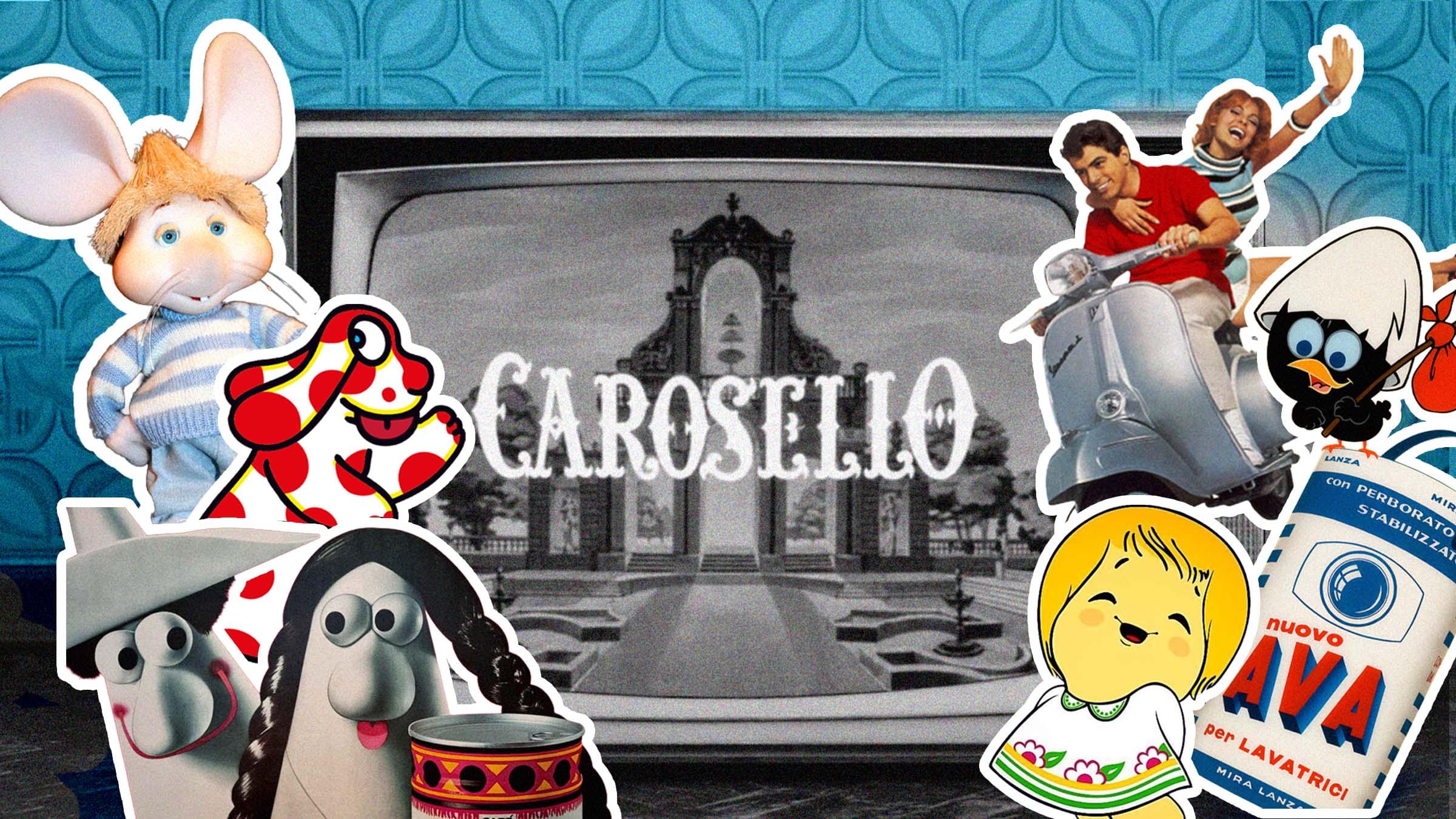
“Bedtime after Carosello” became an expression that outlived the programme itself. Carosello first aired on RAI in 1957 and remained on television until early 1977, becoming one of the most popular fixtures on Italian TV.
What makes it interesting is that part of its success came from a constraint.
Something had to happen first
Italian television in the 1950s had a strong educational and cultural role. Advertising had to fit into that environment without taking over the entire stage.
That compromise produced a very particular structure: first came a story, a sketch, an animation, a character. Only at the end did the explicitly commercial part appear.
The product could not simply show up and demand attention.
Something had to happen first.
A story had to begin.
A joke had to land.
A character had to earn a few minutes of the audience’s time.
Then the brand arrived.
What looked like an obstacle forced advertising to do something that is still difficult today: give something before asking for something.
When advertising becomes part of culture
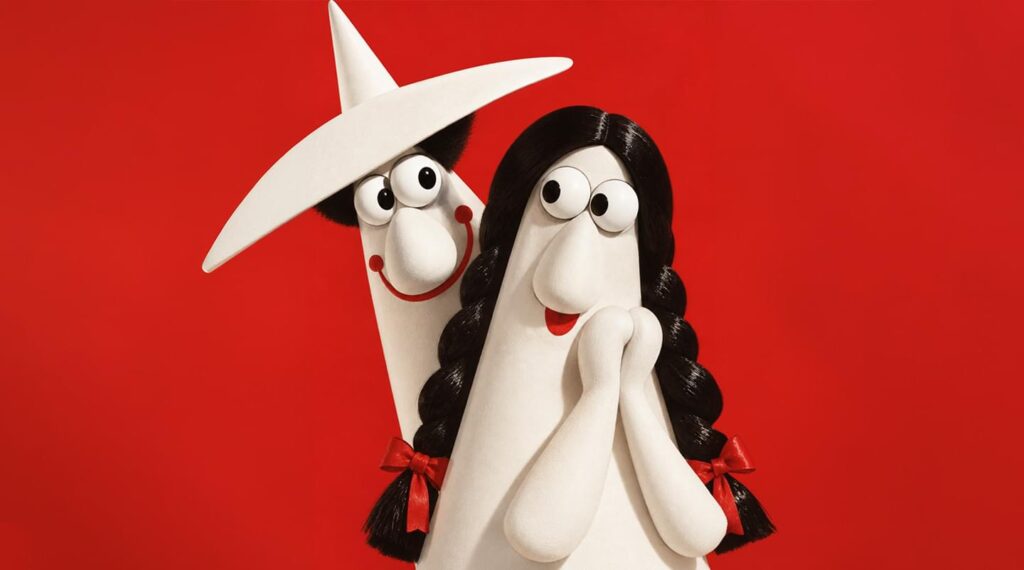
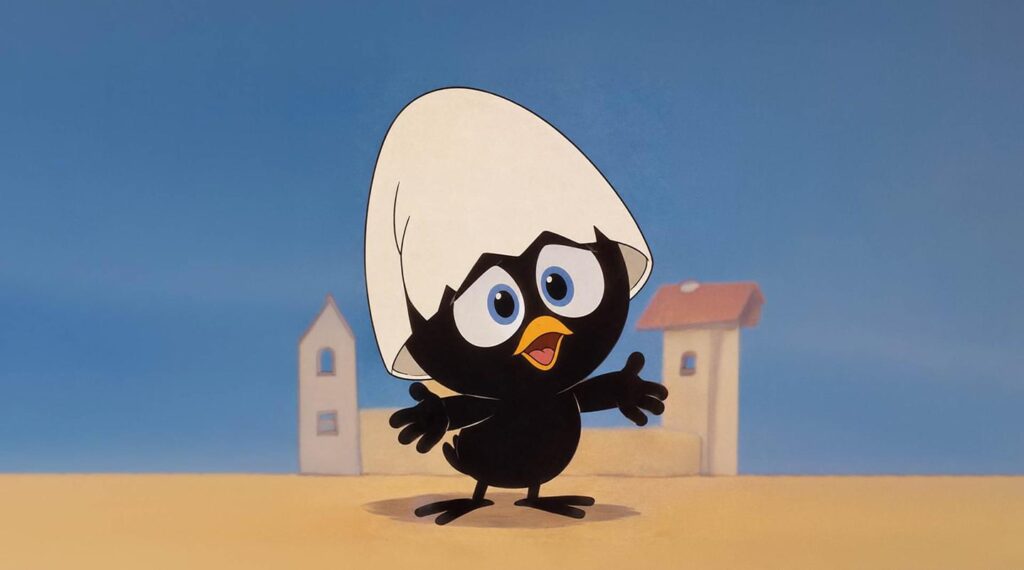
Calimero, Carmencita, Caballero, Jo Condor.
Many characters associated with Carosello crossed the boundaries of advertising and became part of the language, memories and collective imagination of the country.
This is where Carosello stops being interesting simply as a piece of advertising history.
For an entire generation, it was not simply something to watch.
It was something around which part of the evening was organised.
Advertising was not simply occupying airtime.
It was creating characters, rituals, phrases and memories.
And that is a much harder kind of success to achieve than simple exposure.
Today we skip ads. Back then, people waited for them
There would be little point in turning all of this into nostalgia.
We do not need to go back to Carosello.
The screens have changed, the language has changed, attention spans have changed and, above all, the amount of content competing to be watched every day has changed.
But the problem Carosello was forced to solve is still here.
Nobody opens Instagram because a company needs to communicate.
Nobody goes on TikTok hoping to find an ad.
Nobody spontaneously gives their time to a brand simply because the brand paid to appear.
The company’s interest and the audience’s interest start from two different places
Creative work begins when we manage to bring them together.
In Atravisio’s editorial strategy, this principle becomes a very simple sentence:
Story first. Brand second.
It does not mean hiding what we need to sell.
It means remembering that attention does not belong to us.
Occupying the feed does not mean occupying people’s memory
There is a misunderstanding that Carosello still helps us see clearly.
Creating content does not mean adding any random story before showing the product.
In the most successful cases, story, character and brand belonged to the same world.
Entertainment was not a toll to pay before making the sale.
It was part of the way that brand would eventually be remembered.
Today we can produce dozens of Reels, posts, Stories and campaigns every month without building an equally recognisable world.
We can be extremely present and leave almost nothing behind.
The constraint that became a language
Perhaps this is the most contemporary thing about Carosello.
Not the format.
The constraint.
A rule designed to limit advertising forced advertising to invent something.
Today we have much more freedom.
We can work with six seconds or six minutes, use creators or animation, show the product immediately or leave it almost entirely out of frame.
We can use memes, podcasts, branded entertainment, live content.
But all this freedom has not removed the fundamental question.
Why should anyone stay?
Carosello does not offer an answer to copy.
But it does offer a lesson that is difficult to ignore:
buying the space does not mean you have earned the attention.


